Gulfstream G280 Jet Avionics and Flight Deck Technology
Behind every smooth flight is the G280’s advanced avionics suite, which includes a highly sophisticated flight management system designed to support pilots with navigation, performance optimization, and safety throughout every phase of the journey.
PlaneView280 Cockpit Overview
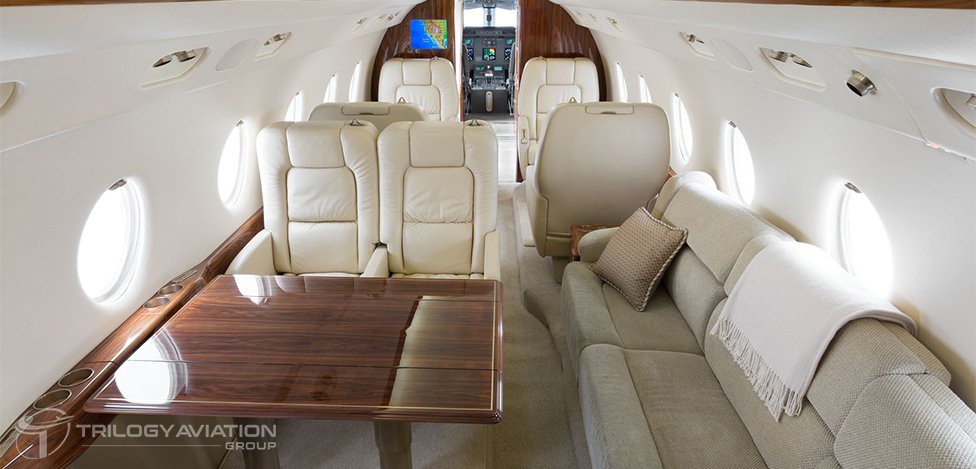
The G280 features Gulfstream’s PlaneView280 flight deck, a highly integrated glass cockpit system equipped with four large primary flight displays. These advanced screens deliver real-time information on flight status, navigation, engine performance, and weather, all in a clear and intuitive layout.
As a modern glass cockpit, the PlaneView280 enhances pilot situational awareness with features like synthetic vision, which provides a 3D representation of terrain and obstacles, even in low visibility. By consolidating critical data and visuals in one place, this system reduces pilot workload, improves safety, and supports quicker, more informed decision-making during every phase of flight.
Advanced Navigation and Safety Systems
The Gulfstream G280 is equipped with advanced navigation and safety technologies that enhance pilot awareness and ensure smooth operations across various flight environments. Its integrated avionics suite includes GPS, enhanced vision systems (EVS), weather radar, and terrain awareness and warning systems (TAWS), all designed to help pilots chart the safest and most efficient routes while avoiding airborne and ground hazards.
The G280 holds full certification from both the FAA and EASA, underscoring its compliance with stringent safety and performance standards. This certification reflects Gulfstream’s commitment to reliability and operational excellence, further reinforcing the aircraft’s readiness for a wide range of international missions.
This aircraft is MSP Gold Avionics enrolled, ensuring that its avionics systems are maintained under a premium support program for maximum performance and minimal downtime. In addition, the G280 is LASEREF VI equipped, providing precise inertial reference data that enhances navigation accuracy, especially vital during oceanic or GPS-denied operations. The Gulfstream aircraft is also APU enrolled, ensuring the auxiliary power unit is covered under a similar maintenance support plan for improved reliability and operational readiness on the ground.
Additional safety features, such as collision avoidance systems, provide real-time alerts about nearby aircraft, adding another layer of protection. With the ability to operate efficiently in low visibility conditions and from high-altitude airports, the G280 stands out as a dependable jet for both routine and challenging missions.
Pilot-Friendly Automation Features
Automation tools like autopilot and autothrottle play a big role in the G280’s operation. Autopilot helps maintain steady flight paths, reducing pilot fatigue, while autothrottle automatically adjusts engine thrust to maintain desired speeds.
The G280 is also equipped with ADS-B (Automatic Dependent Surveillance–Broadcast), which enhances situational awareness by providing real-time traffic and weather information directly to the cockpit. This advanced surveillance technology helps pilots make better-informed decisions and further reduces workload.
Another pilot-friendly feature is the integration of electronic charts into the cockpit systems. These digital charts provide instant access to up-to-date flight routes, airport diagrams, and approach procedures, making navigation more efficient and reducing the need for paper references.
These tools ensure smooth takeoffs, cruising, and landings, improving flight stability and passenger comfort. They also free pilots to focus more on monitoring flight conditions and communication.