Performance Features of Pilatus PC 24
The Pilatus PC 24 stands out in its class thanks to a range of cutting-edge performance features designed to enhance both safety and pilot control. Among these, the auto speed protection system ensures optimal flight speeds are maintained automatically, reducing pilot workload and increasing safety margins.
The inclusion of a cursor control device allows for intuitive and precise navigation through the aircraft’s systems, making cockpit management smoother and more efficient. All of this is integrated within the advanced cockpit environment ACE, which offers pilots a highly modern and user-friendly interface that supports superior situational awareness and flight management.
Together, these features make the PC 24 a true leader in performance and pilot experience.
STOL Capability and Runway Flexibility
One of the most impressive features of the Pilatus PC 24 is its exceptional STOL capability. Thanks in part to its robust nose landing gear design, the PC 24 can take off in just 2,930 feet and land in 2,525 feet, allowing it to operate from small and even unpaved airstrips that are inaccessible to most light jets. This makes it the only business jet certified for operations on unpaved runways.
This versatility opens up access to over 20,000 additional airports worldwide, including challenging locations like Rocky Mountain Metropolitan Airport, known for its diverse runway options. For travelers who prioritize runway flexibility, the PC 24 delivers unmatched access. Whether flying to a remote island, a mountain lodge, or an airfield without paved runways, the PC 24 gets you there without compromise.
Range, Speed, and Altitude Specifications of Pilatus PC 24
The Pilatus PC 24 delivers impressive performance specs for a light jet:
- Maximum Range: Approximately 2,000 nautical miles
- Cruising Speed: Around 440 knots (506 mph)
- Service Ceiling: 45,000 feet
- Maximum Landing Weight: 17,340 pounds
- Max Takeoff Weight: 18,740 pounds
These specifications allow the Pilatus PC 24 to complete long domestic flights and many international routes efficiently and comfortably.
Avionics and Flight Deck Technology
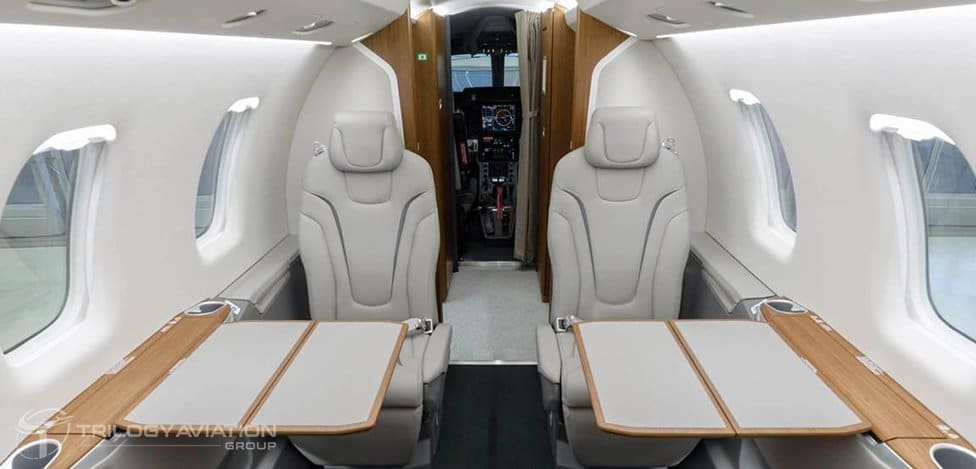
Pilatus equipped the PC-24 with the advanced Honeywell Primus Apex avionics suite, delivering a modern and highly capable flight deck. This system provides intuitive controls, enhanced situational awareness, and powerful navigation capabilities designed to support pilots in all phases of flight.
Key features include:
- Synthetic Vision System (SVS)
- Autothrottle with automatic thrust reserve for added safety during critical flight phases
- Dual Flight Management Systems featuring graphical flight planning for easy route visualization and adjustments
- Integrated weather radar
- Quiet power mode, allowing for reduced noise during ground operations and sensitive environmental areas
These technologies work together to improve flight safety, reduce pilot workload, and enable precise navigation, even in challenging conditions, while enhancing overall efficiency and passenger comfort.